Fashion PhotographyExposed.
Two of us, two cameras. Four scoped shoot days in Los Angeles became a two-city production with a printed magazine editorial inside it, and three hours and three minutes of finished feature for one of the most exacting photographers in fashion.
Official trailer, on Vimeo since 2011. Shot and edited by Matthew Wardenaar and Evan Matthews. The only video on this page; the rest is frames.
Rodwell was already the authority. Art Center, then Ralph Lauren, Nike and Coca-Cola, editorial in Harper’s Bazaar, Kurv and Genlux, and a blog with a large following since 2008. She wanted the whole craft on a disc. Every setup we shot, she would see in the cut.
The spread is part of the story: the shortest substantive chapter runs 6:20 and the longest 41:59. The film’s centre of gravity is the business, not the lighting.
The film opens where a shoot actually starts, which is not at the camera. We spent the morning at Church Boutique with Rodney Burns, shooting two old friends pulling the wardrobe the studio chapter would be built around. Available light, no setups, one camera. It is the only pure documentary chapter on the disc, and it sets the rule the rest of the film follows: show the work being done.
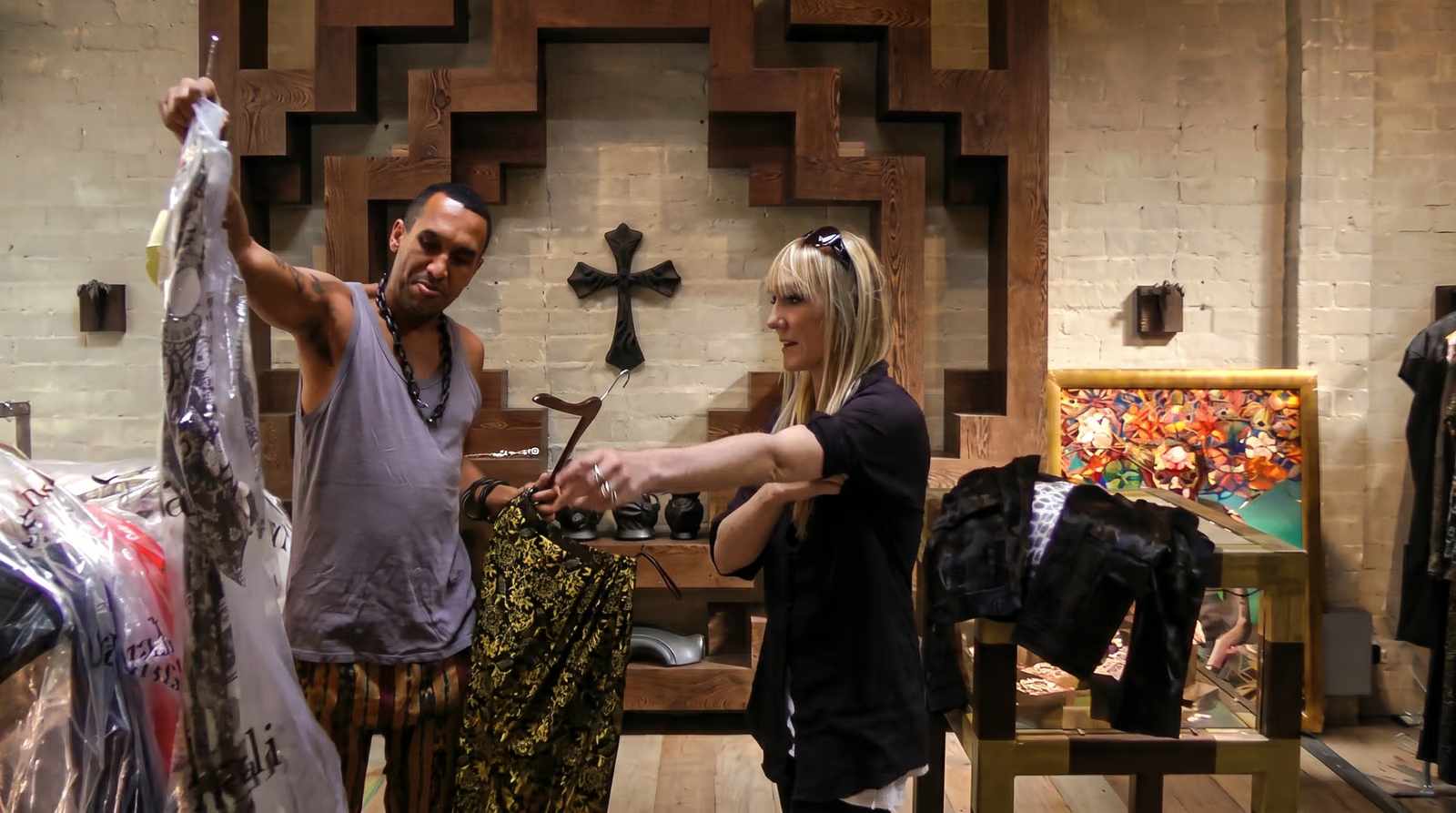
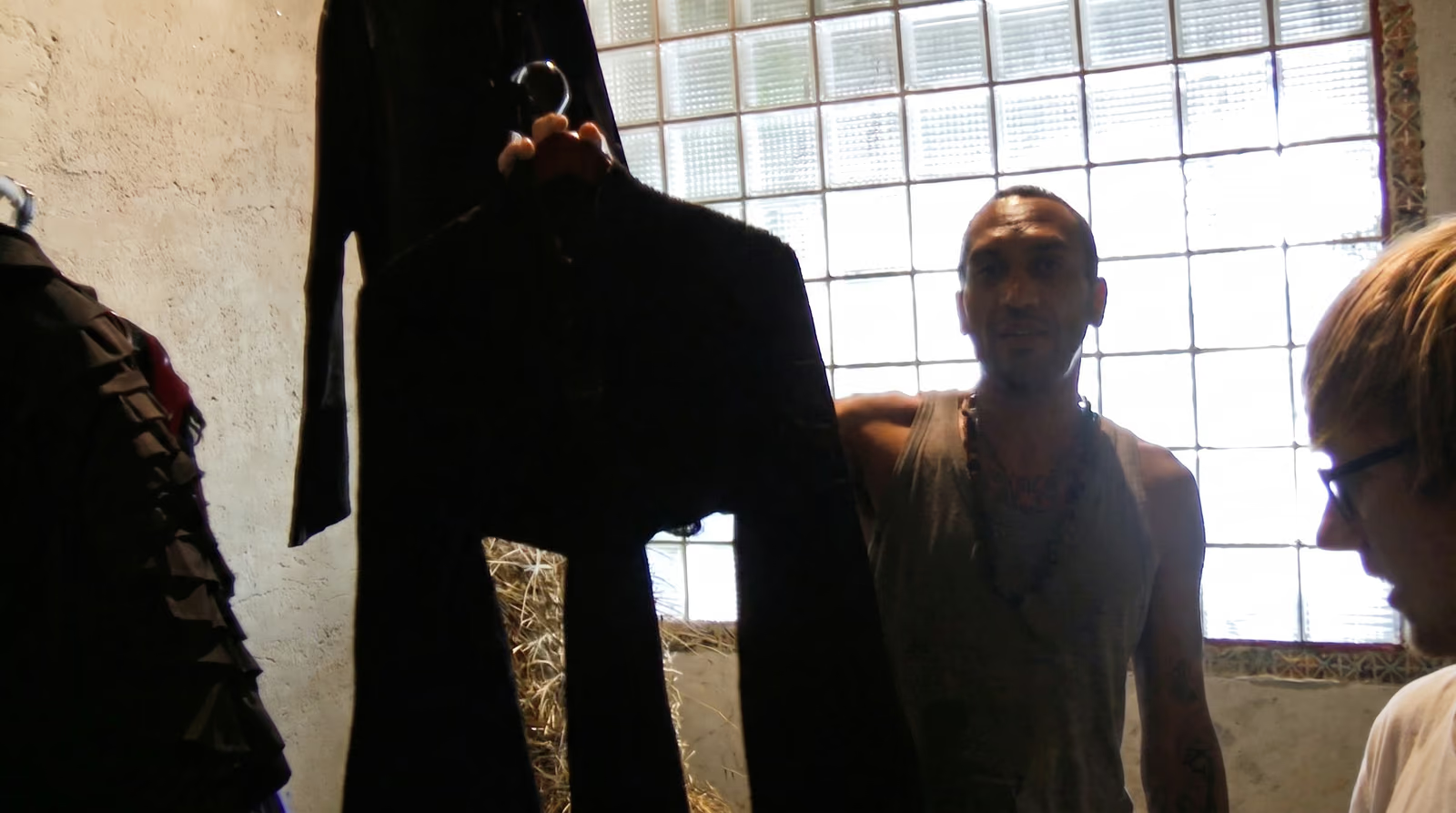
Mid-pull, Rodney stops and realises who he is talking to. “I forgot who I was talking to for a split second. It’s just Melissa. I forget she’s a genius.”
“That’s okay. People forget that all the time.”
Seven minutes on gear, shot as a conversation on a couch rather than a lecture, because a list of equipment dies on video the moment it becomes a list. Her kit sat on the cushions between them, and we cut her photographs in against the talk so every lens named has a picture attached. She had shot Nikon since 1984 and had opinions.
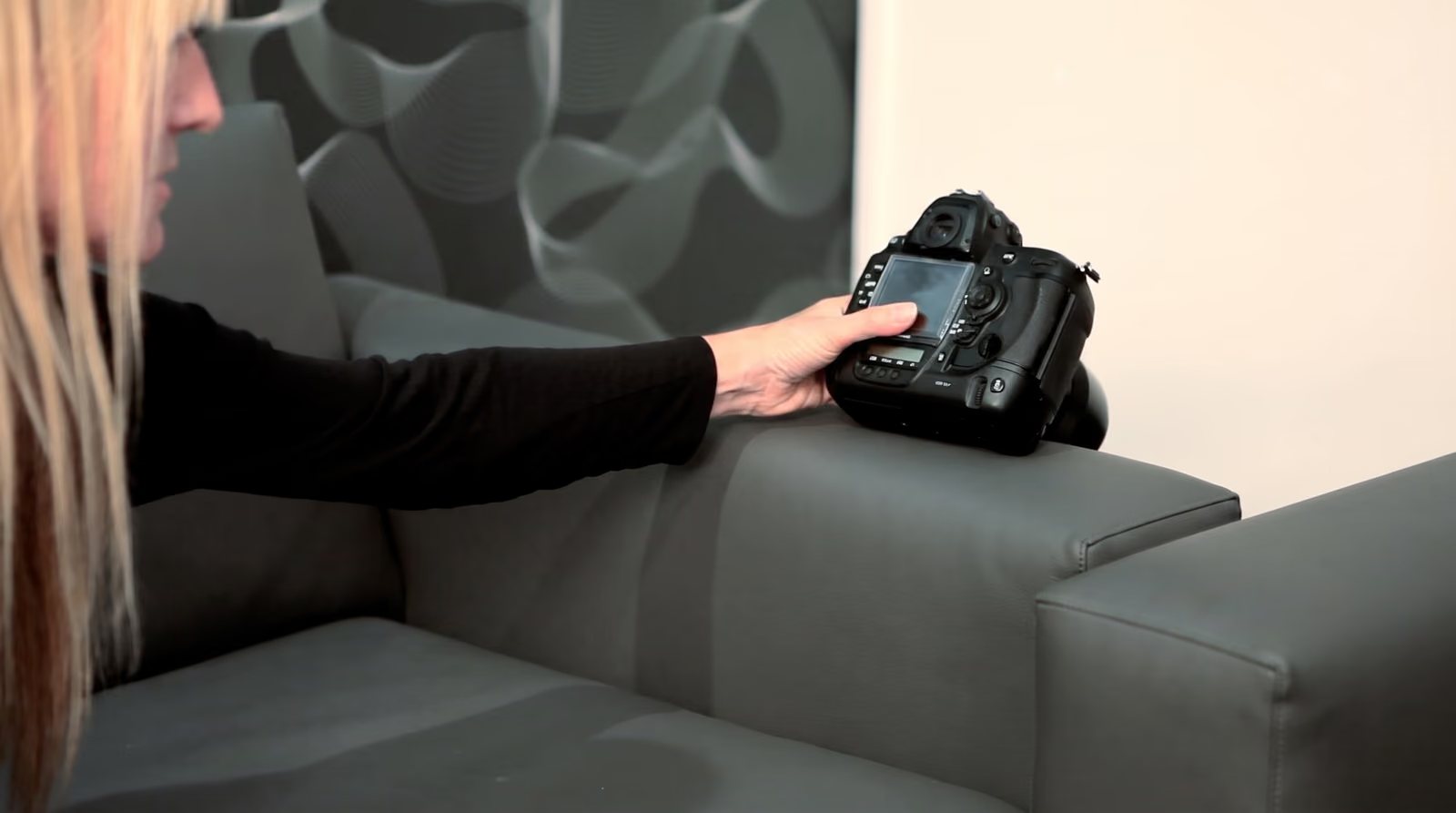
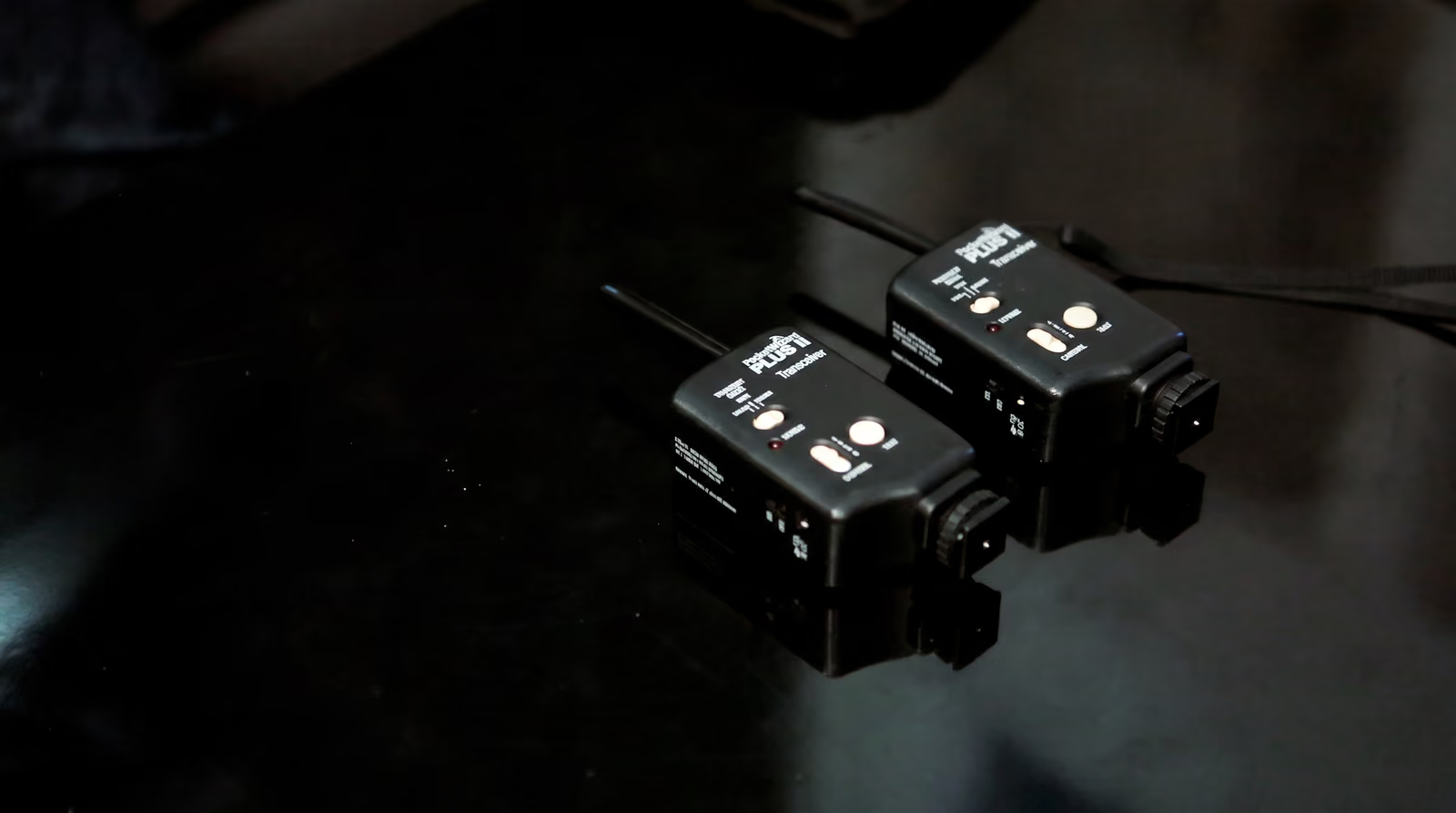
“I’d rather train my eye than have a bunch of gear.”
She owned thirteen cameras once and they sat around collecting dust. Her mentors, Helmut Newton and Cartier-Bresson, claimed one camera and one lens each, and she kind of believed them. Her first camera was a Canon AE-1 from her father, at seventeen; she switched to Nikon and never went back.
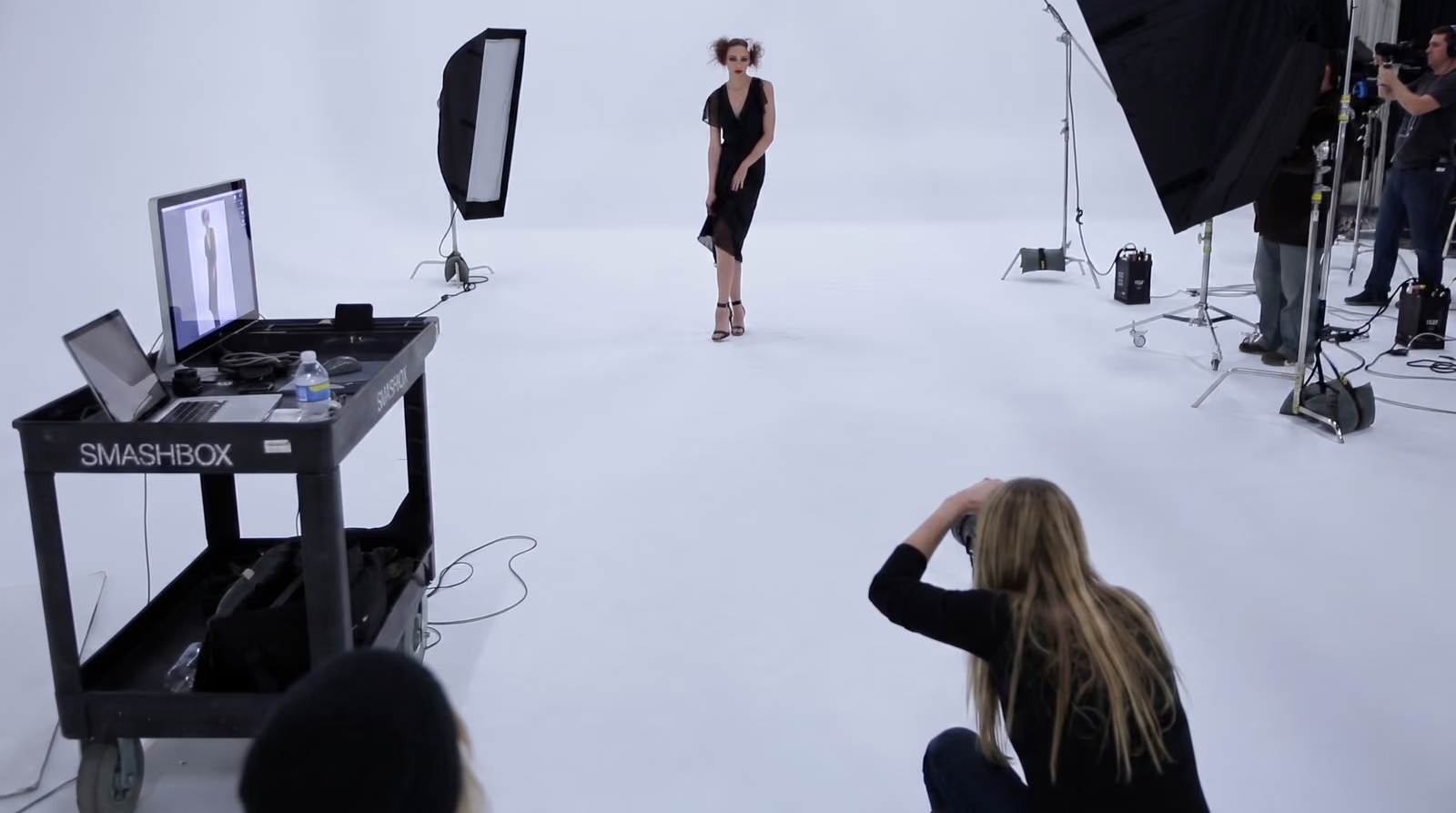
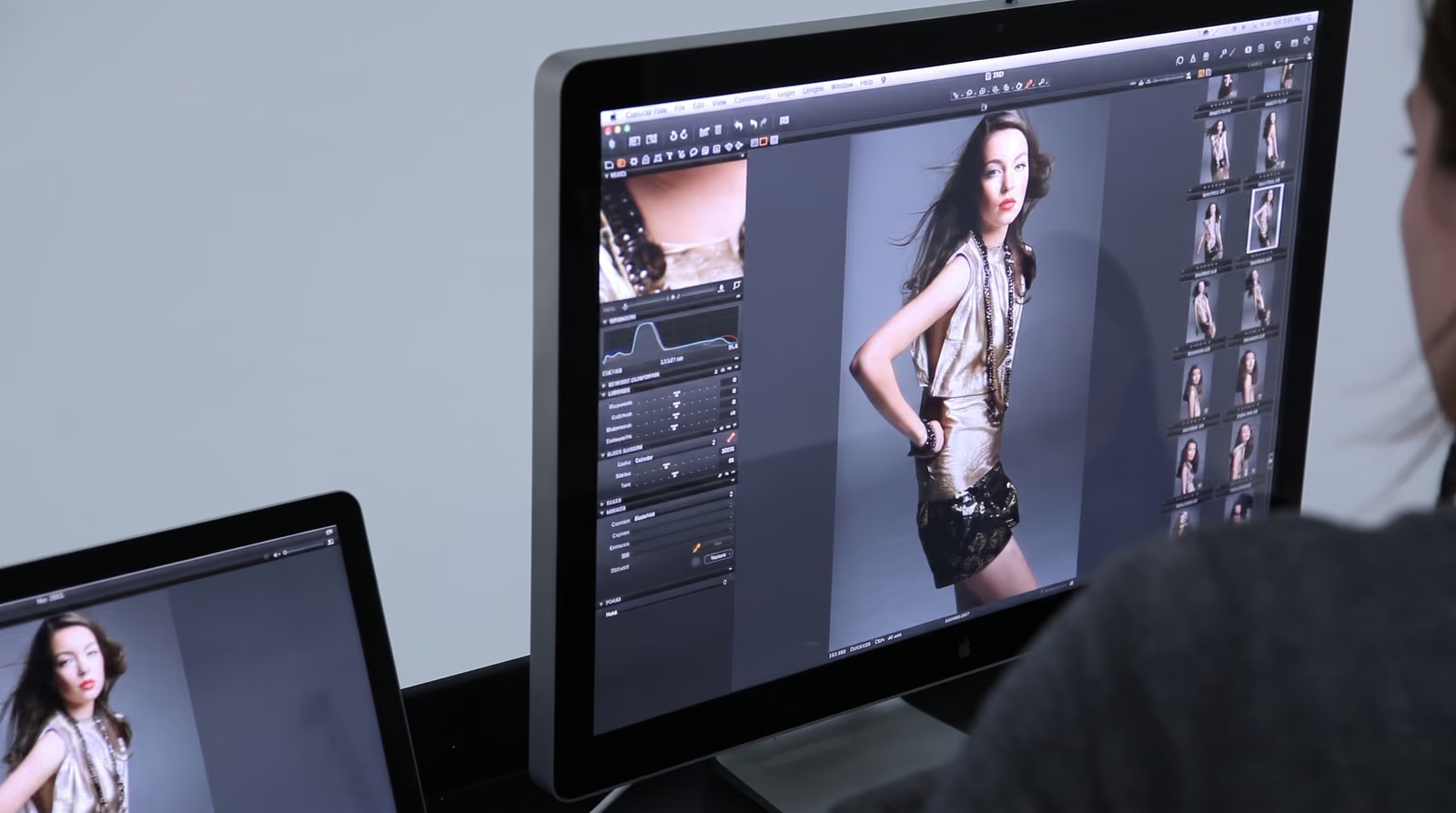
The longest teaching chapter and the reason the disc exists. Beauty and fashion, two models back to back in one room at Smashbox, wearing the clothes pulled at Church two chapters earlier. The problem with a lighting lesson on video is that you can see the picture and you can see the photographer, but you cannot see the light. So we built the chapter around the fix: name the setup on a card, show it as a diagram, shoot it, then cut straight to the frame it produced. She closes every setup the same way: this is the end result.
“The shadows are more interesting than just regular flat boring light.”
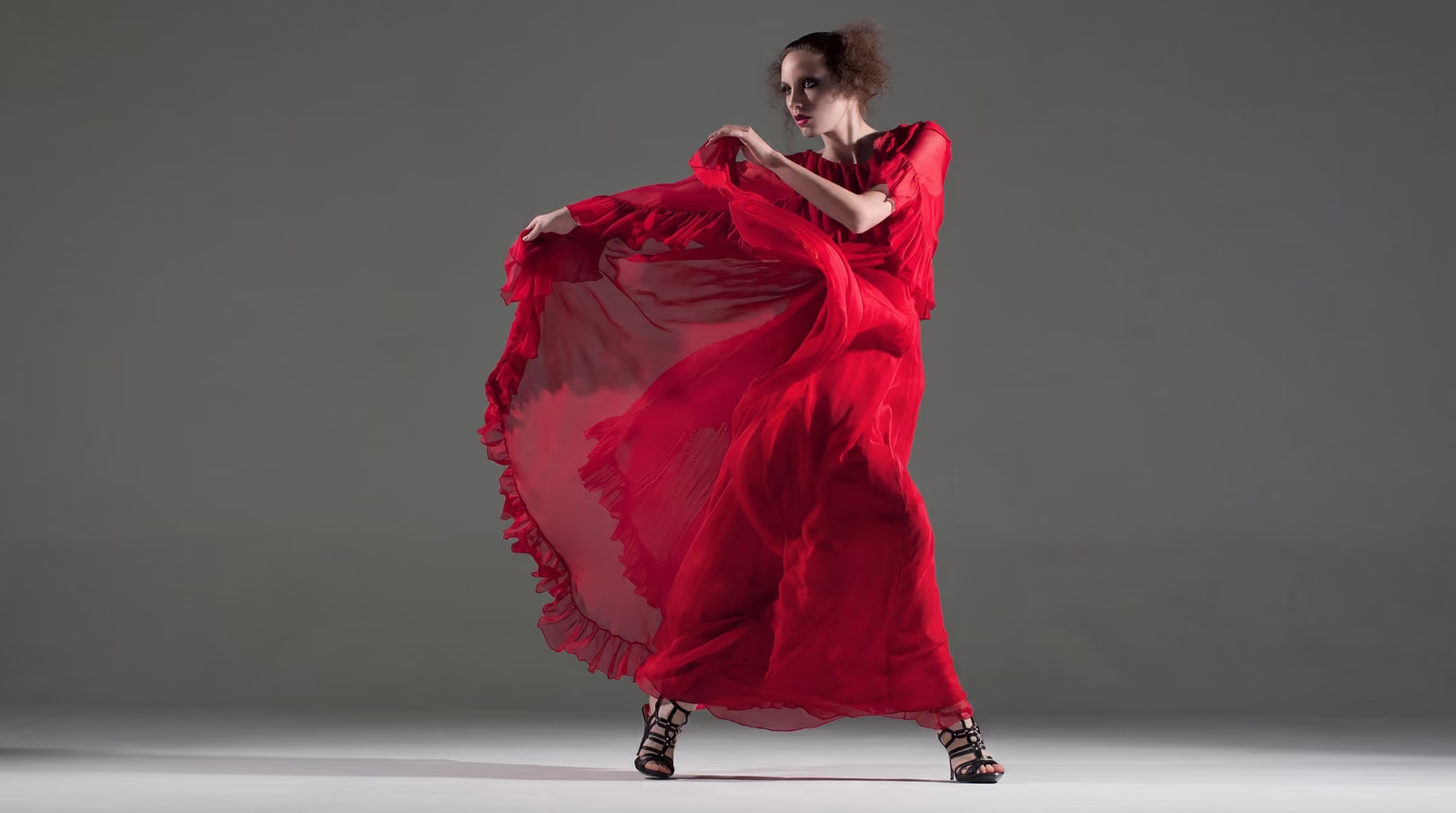
The cut names every setup on a hand-built title card and a 3D diagram, then shows the photograph it produced. These are real frames from the edit. Flip each one.
Key directly in front of the face, above the camera, high. White beauty dish on a boom, gridded to keep it directional.
Key: silver beauty dish with grid, power 1/2. Backlight: un-diffused octabank, power 3/4.
Key: medium Chimera softbox, silver lined, single diffusion, power 1/2. Backlight: 74 inch octabank, no diffusion, power 1/2.
Fifteen minutes with the person who actually decides, shot at Genlux rather than in a studio because the room is part of the answer. He opens by admitting the promo emails go straight past him, and then explains what does not: one hard-copy print portfolio in his whole career obligated him to look.
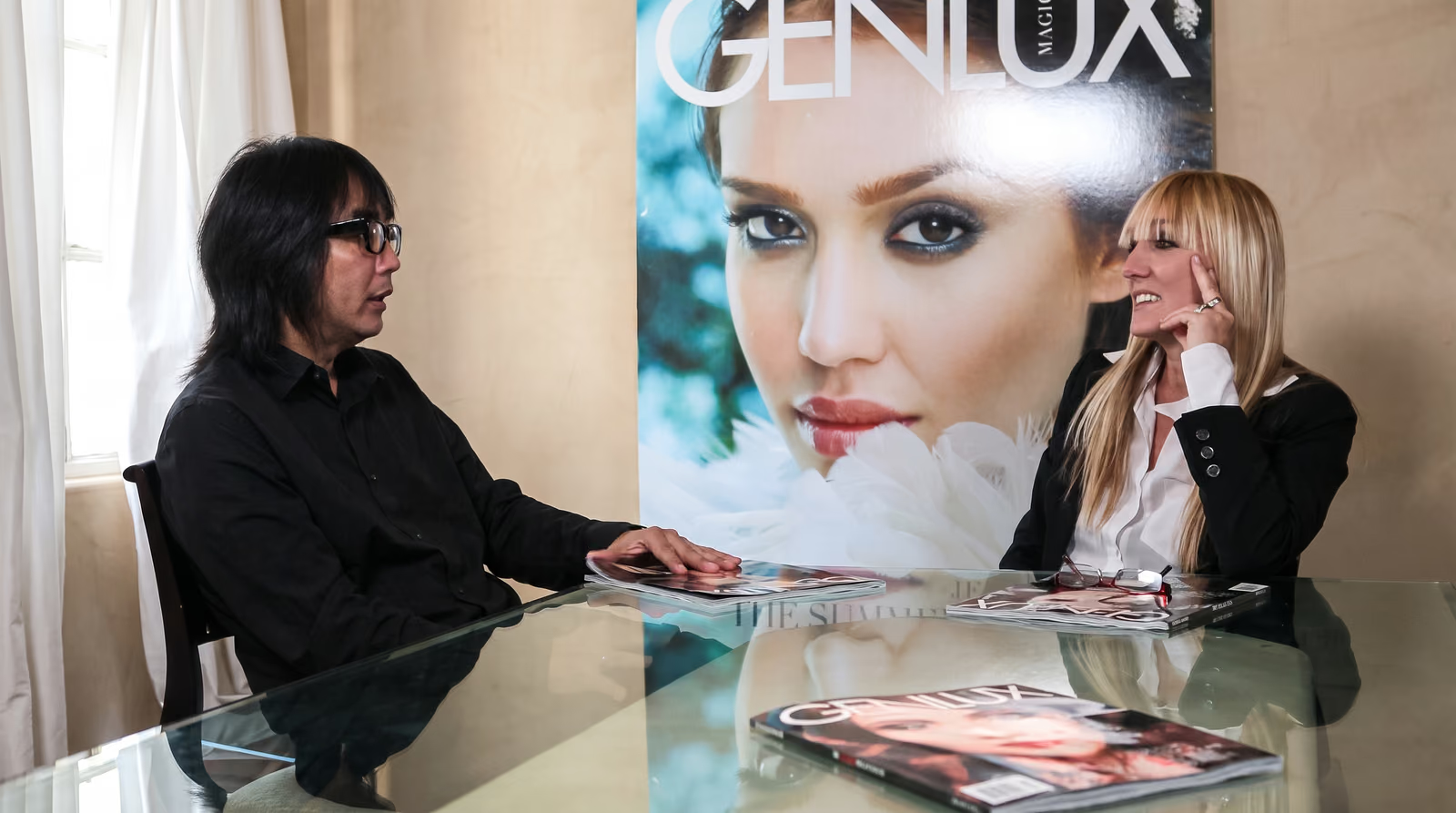
Her reply, off camera left: except your personality.
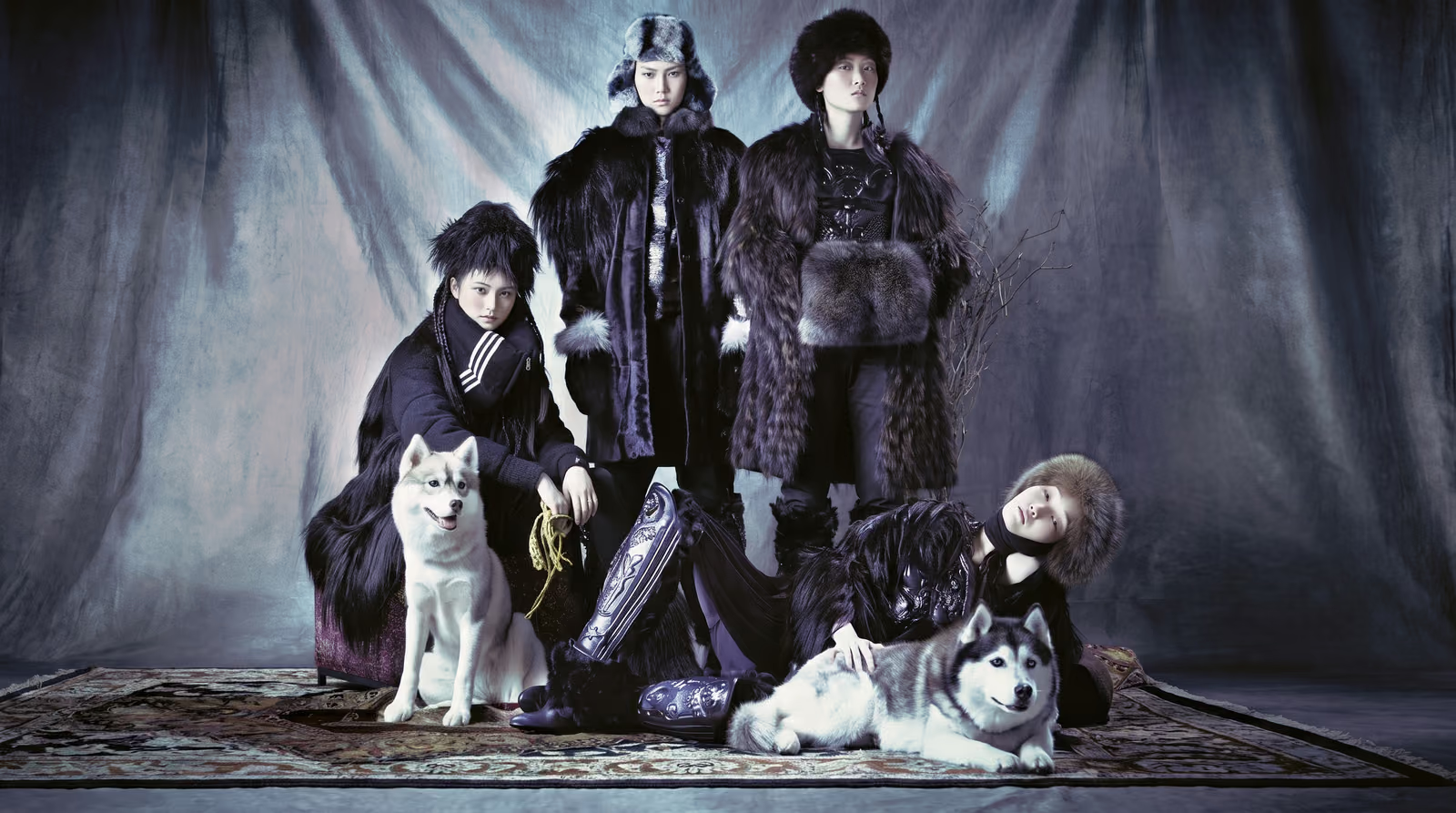
The chapter that broke the scope. The job was written as four days in Los Angeles; this is twelve pages for the fall fashion issue of Kurv, an Australian magazine, shot at Root Studios in Brooklyn with four models, hand-painted backdrops and live huskies. Six minutes on the disc, a change order and a cross-country move to get them. It is the only part of the film where the thing being taught is happening for real, on someone else’s deadline. Phase One sent a rep and an IQ180 for the day; she had never shot one before.
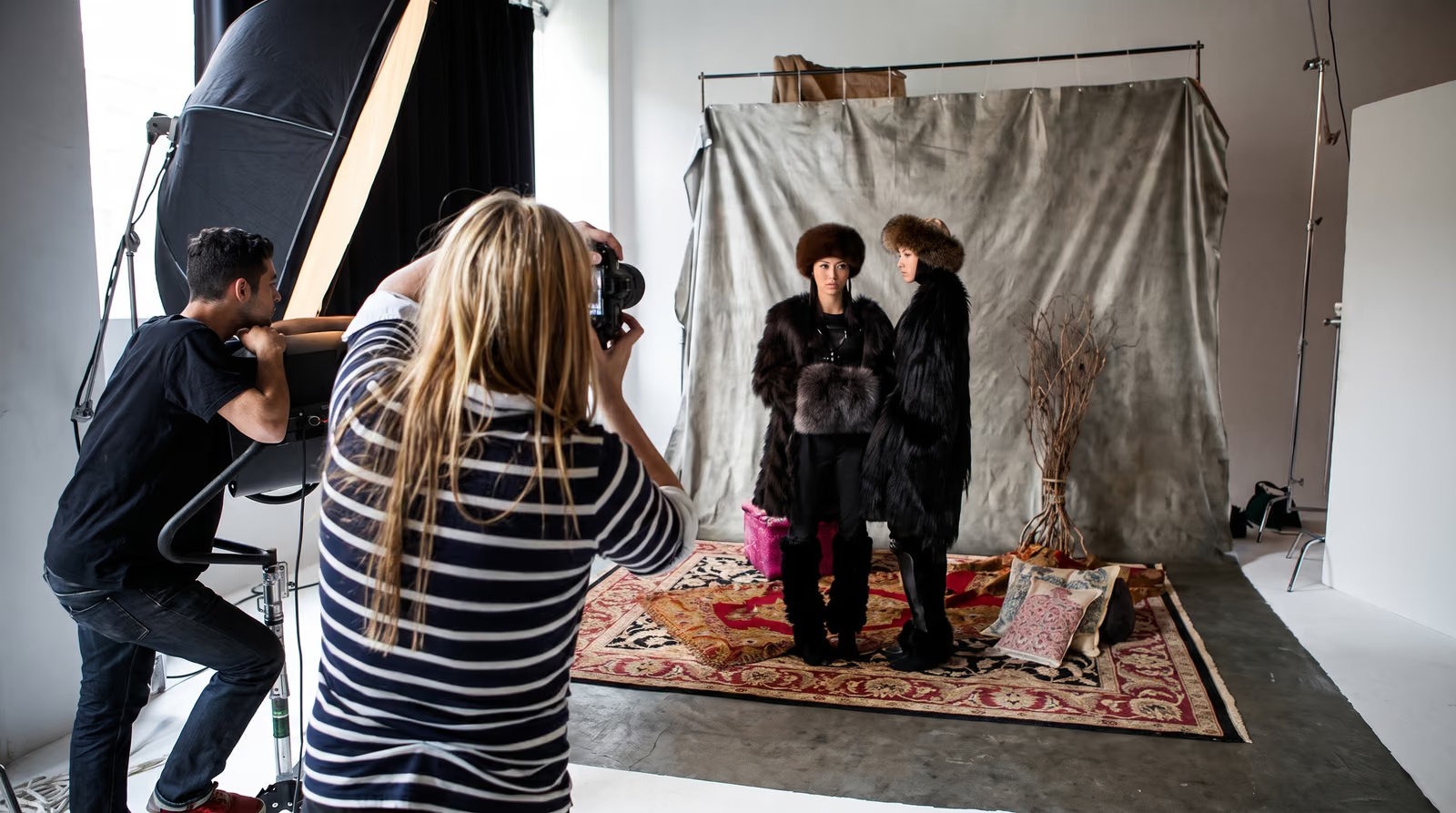
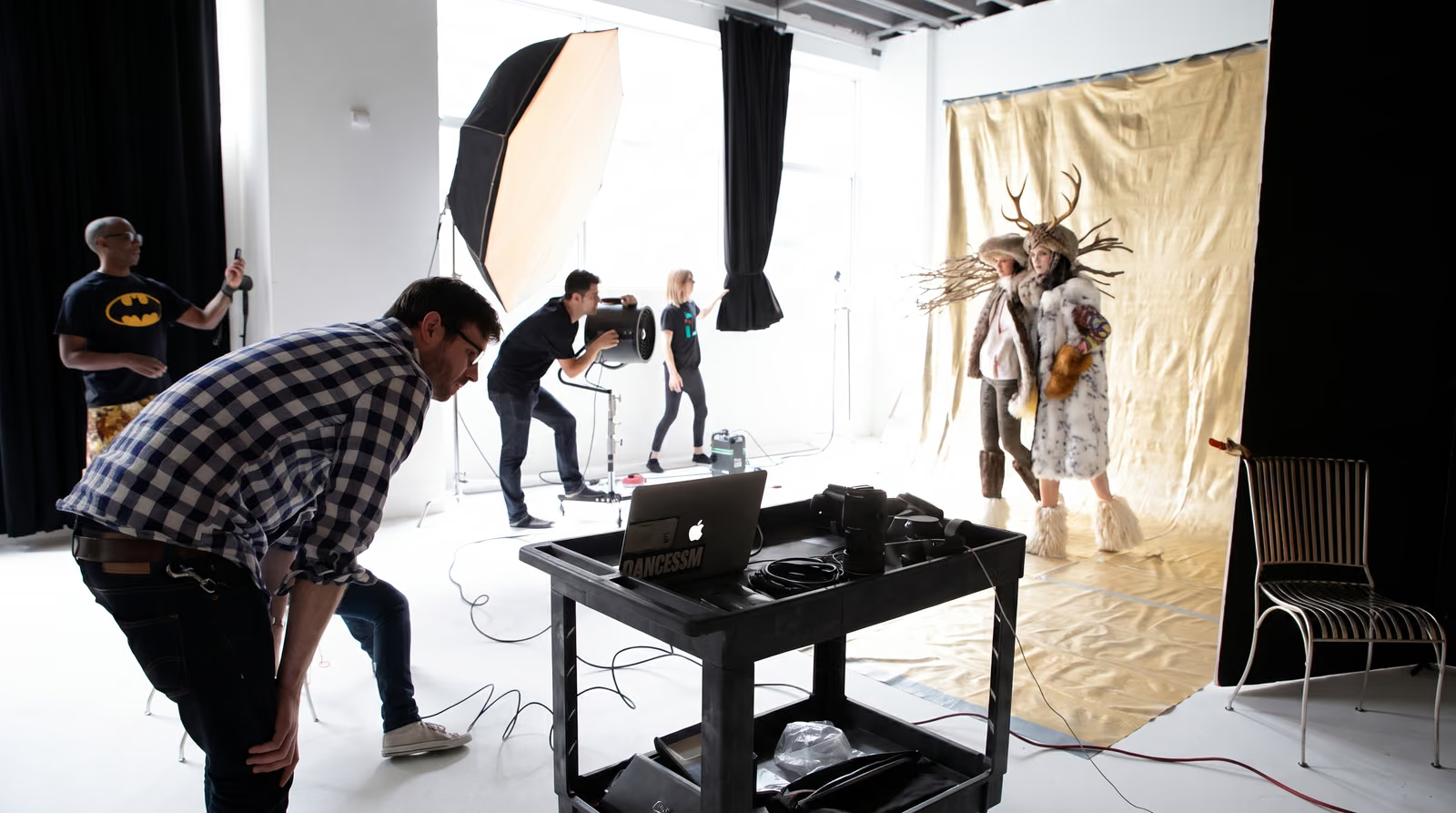
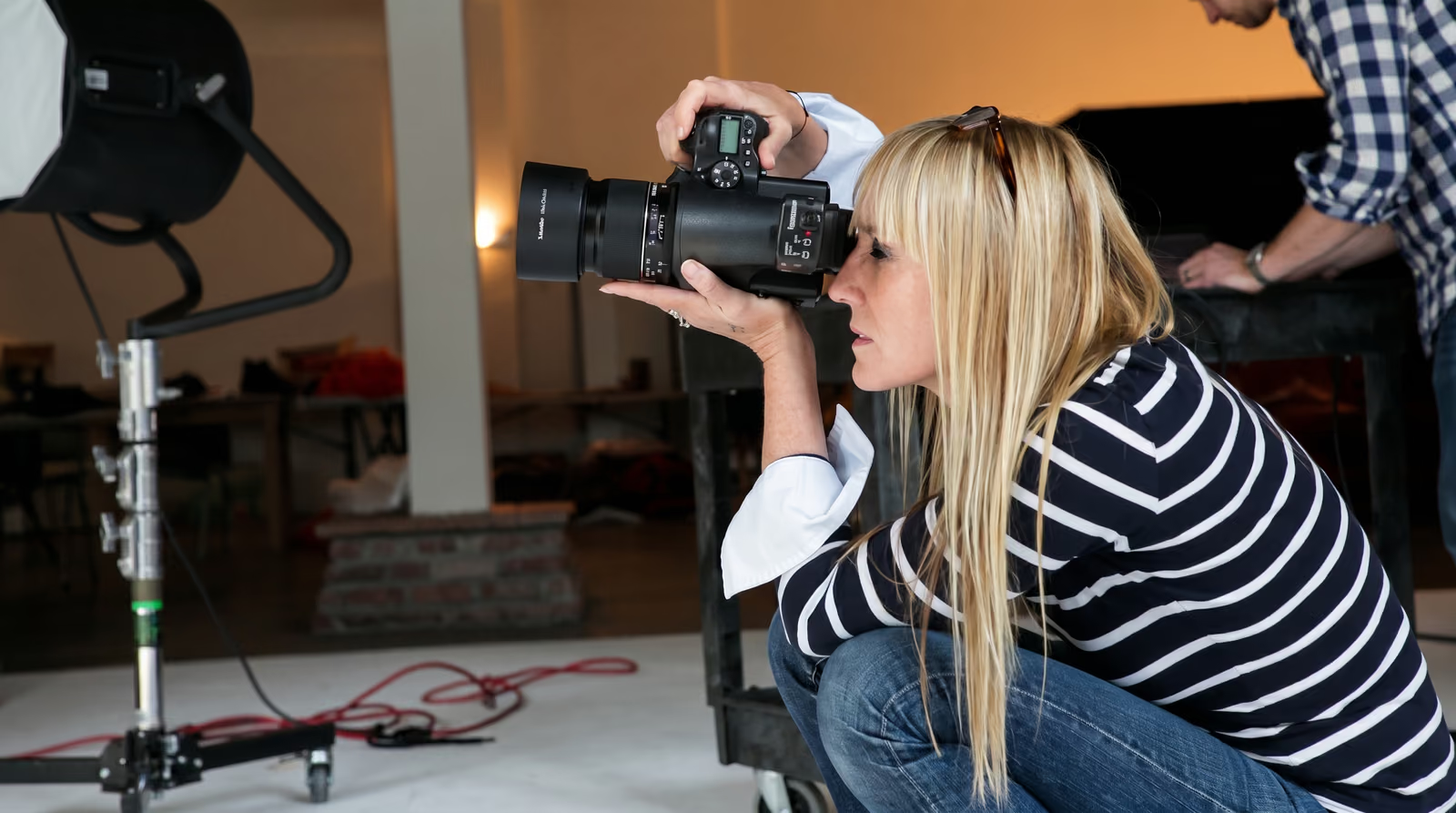
She mentioned wanting dogs to the animal agency, chow chows maybe, and two hours later had an email full of trainers with wolves.
“I was like, wow, she is not playing.”
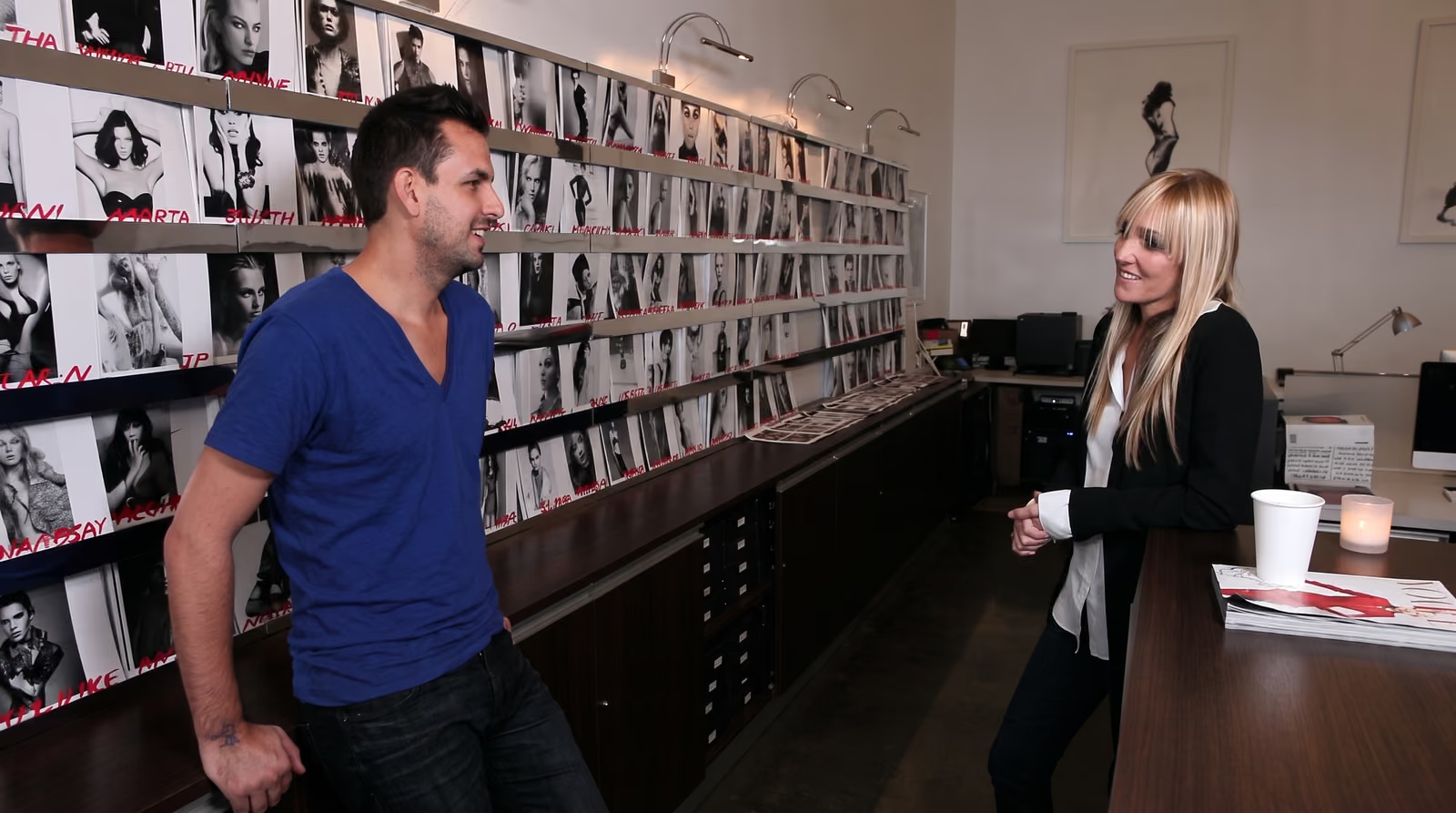
Twenty-three minutes with James Charles, shot against the wall of model cards because the wall is the point: it is the roster he is deciding whether to trust you with. The bluntest thing on the disc. Shoot the model clean and simple, the blank canvas; skip the feathers and glitter; and do not contact agencies between twelve and two, they are trying to eat.
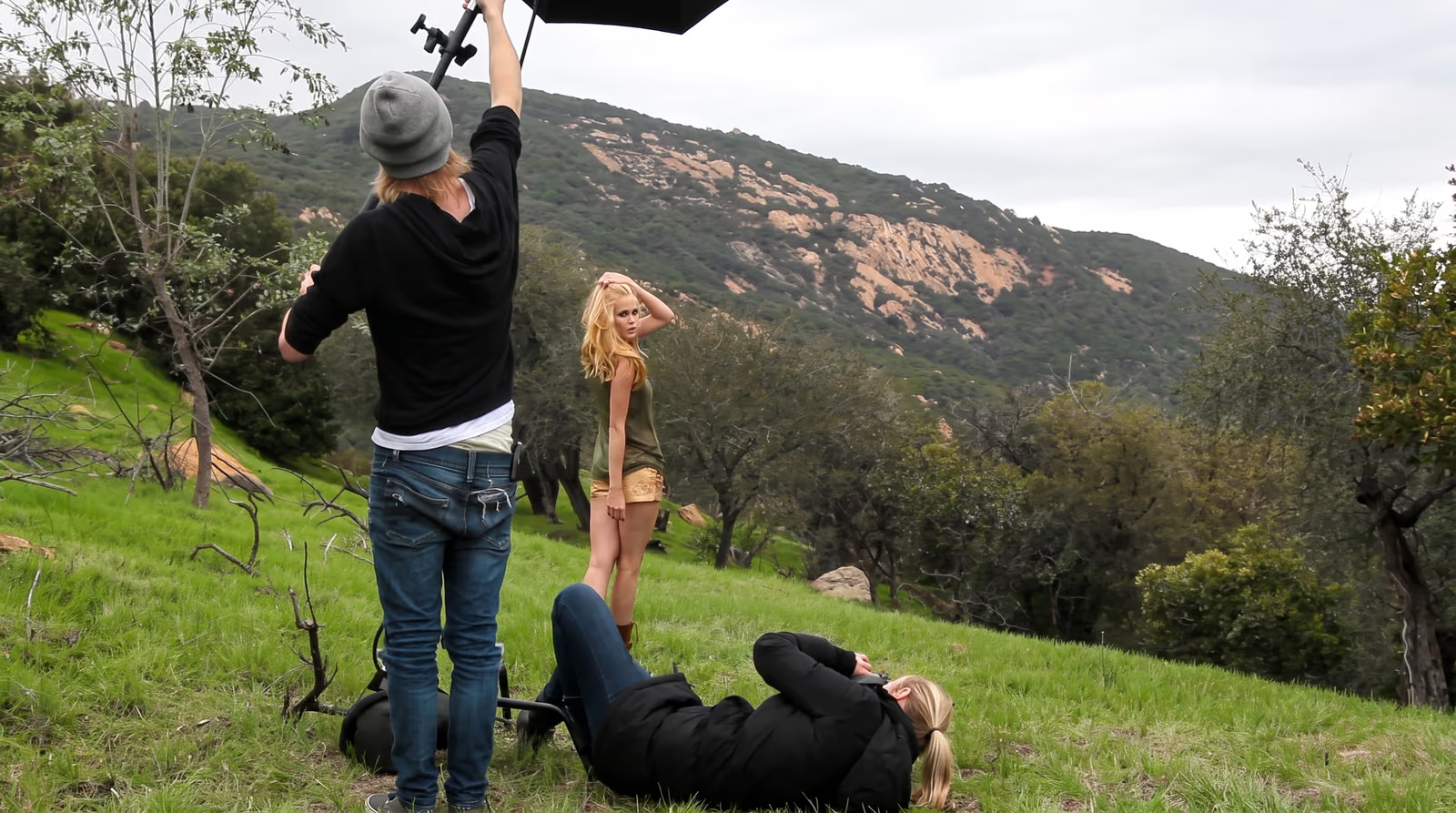
They planned on sun and got an overcast sky, which turned out to be the chapter. Rather than wait it out she rewrote the story on the hillside: neutral density to crush the sky darker still, battery strobes to carve the model out of it, and a deliberate move low on the horizon to get the grass. In the morning Tyler could not find the step-up ring for the ND filter, so half the chapter was shot with the filter held by hand in front of the lens. By midday they found the ring.
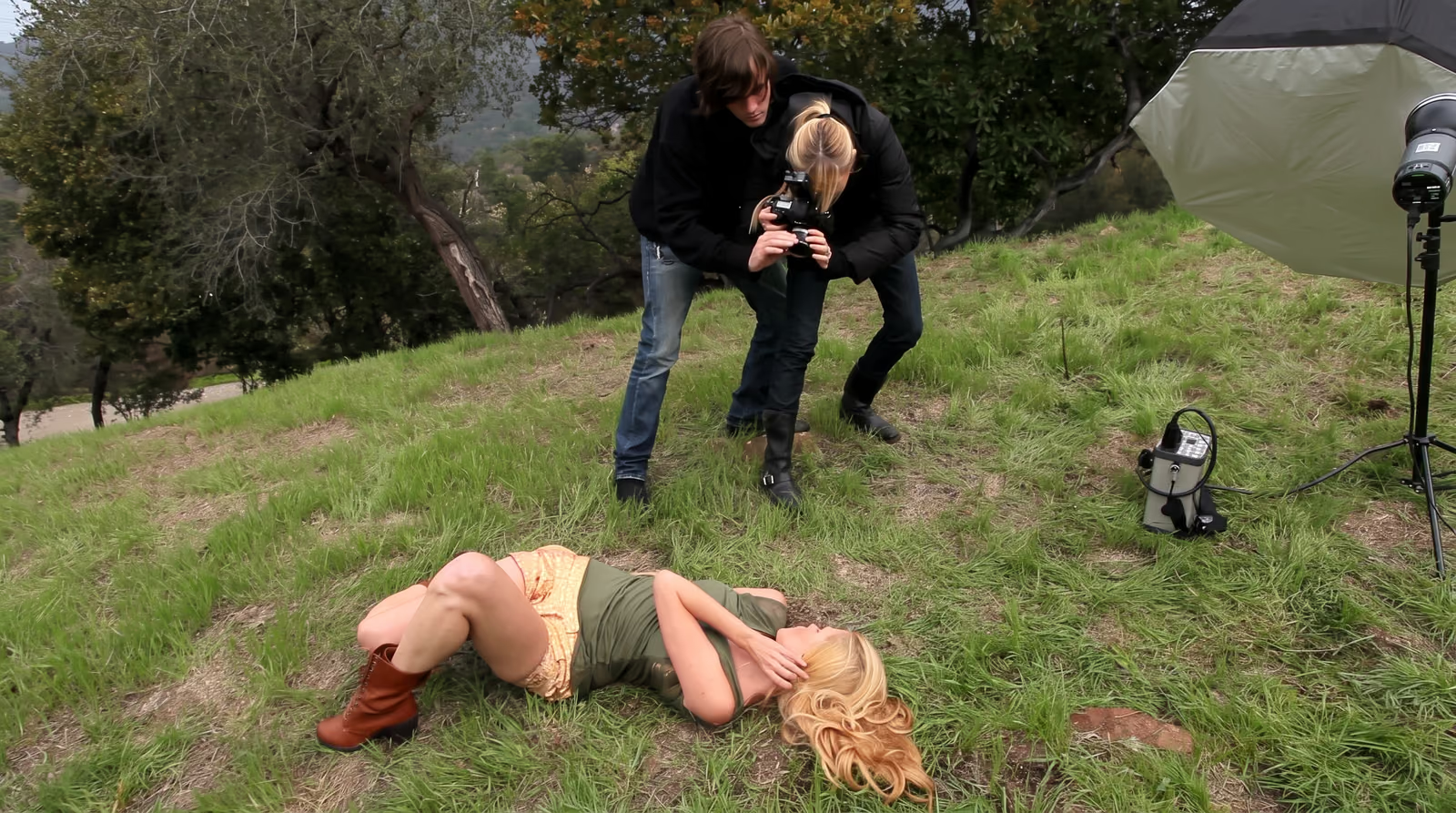
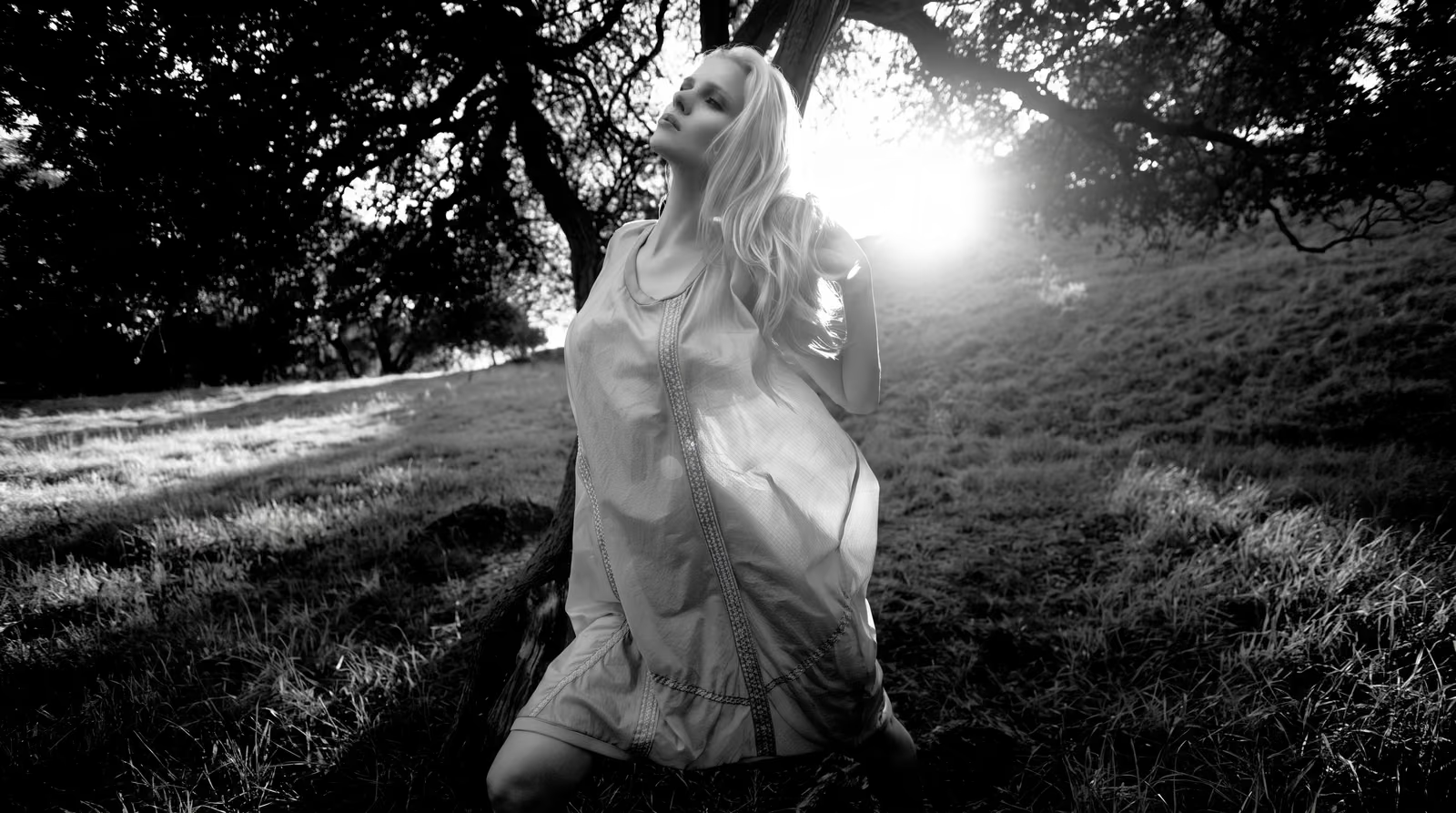
“Okay, we’re going to have dark skies. Let’s really go dark. Let’s have a lot of drama going on.”
A wood-panelled room, a wingback chair, vintage cameras on the sideboard. Deliberately domestic rather than studio, so the answers would sound like answers. Alex Vasquez asks and stays off camera except for a hand and a knee, which was the point. It is the chapter where she is least careful, and it is the best one.
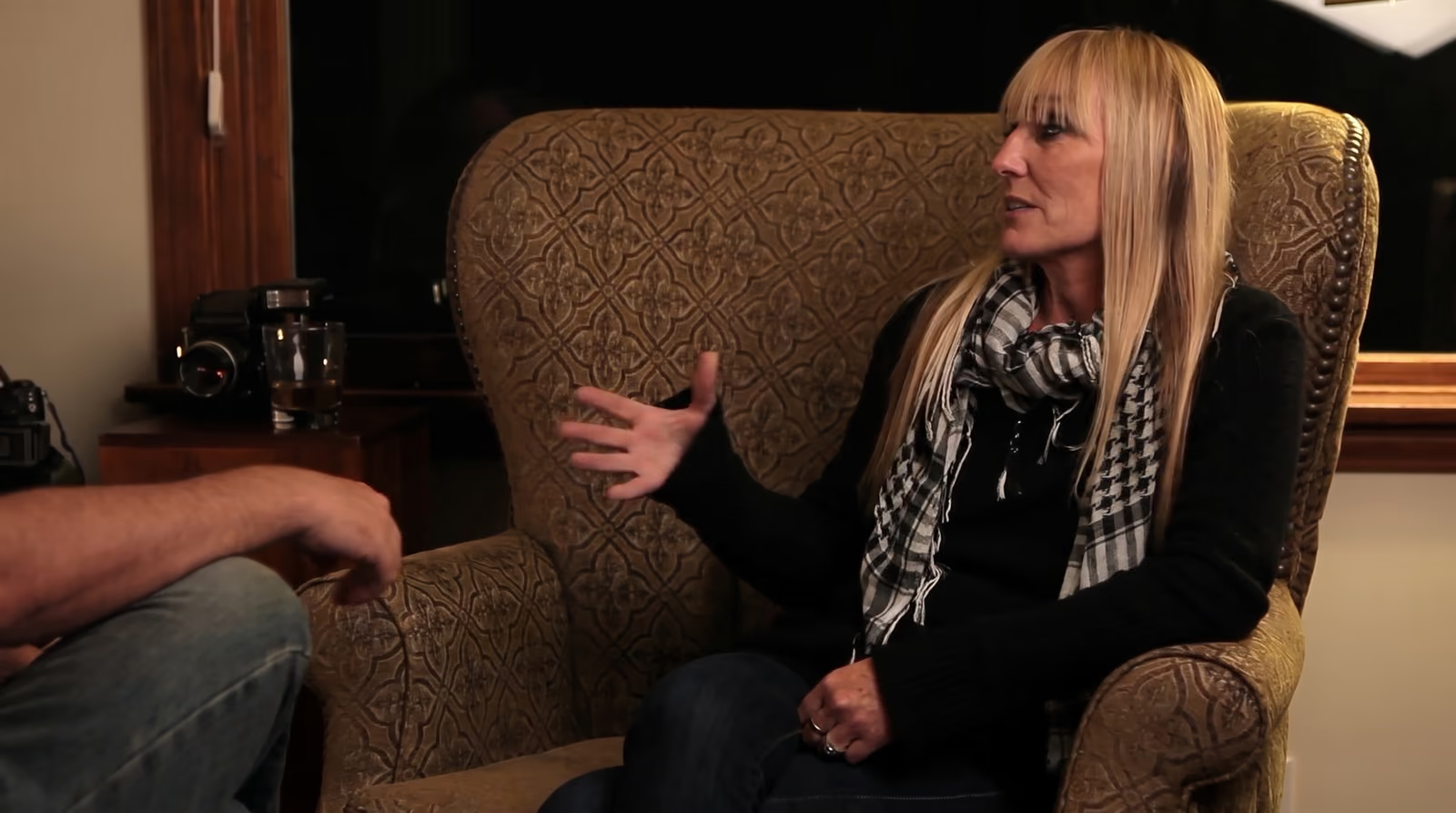
Her first fashion job, still at Art Center: she synced at 1/125 instead of 1/60 and every frame came back with the heads cut off. The client was told a car accident shattered glass over the film. She paid for the reshoot herself, overnight.
“Never ever ever made that mistake again.”
Forty-two minutes, and the chapter nobody expects to be the biggest. The disc is called Fashion Photography Exposed and its centre of gravity turns out to be pricing, usage, bidding and representation. We shot it in two registers, warm on amber and hard black and white on white, cutting between them by subject. It carries the credits roll, so it is also the end of the disc.
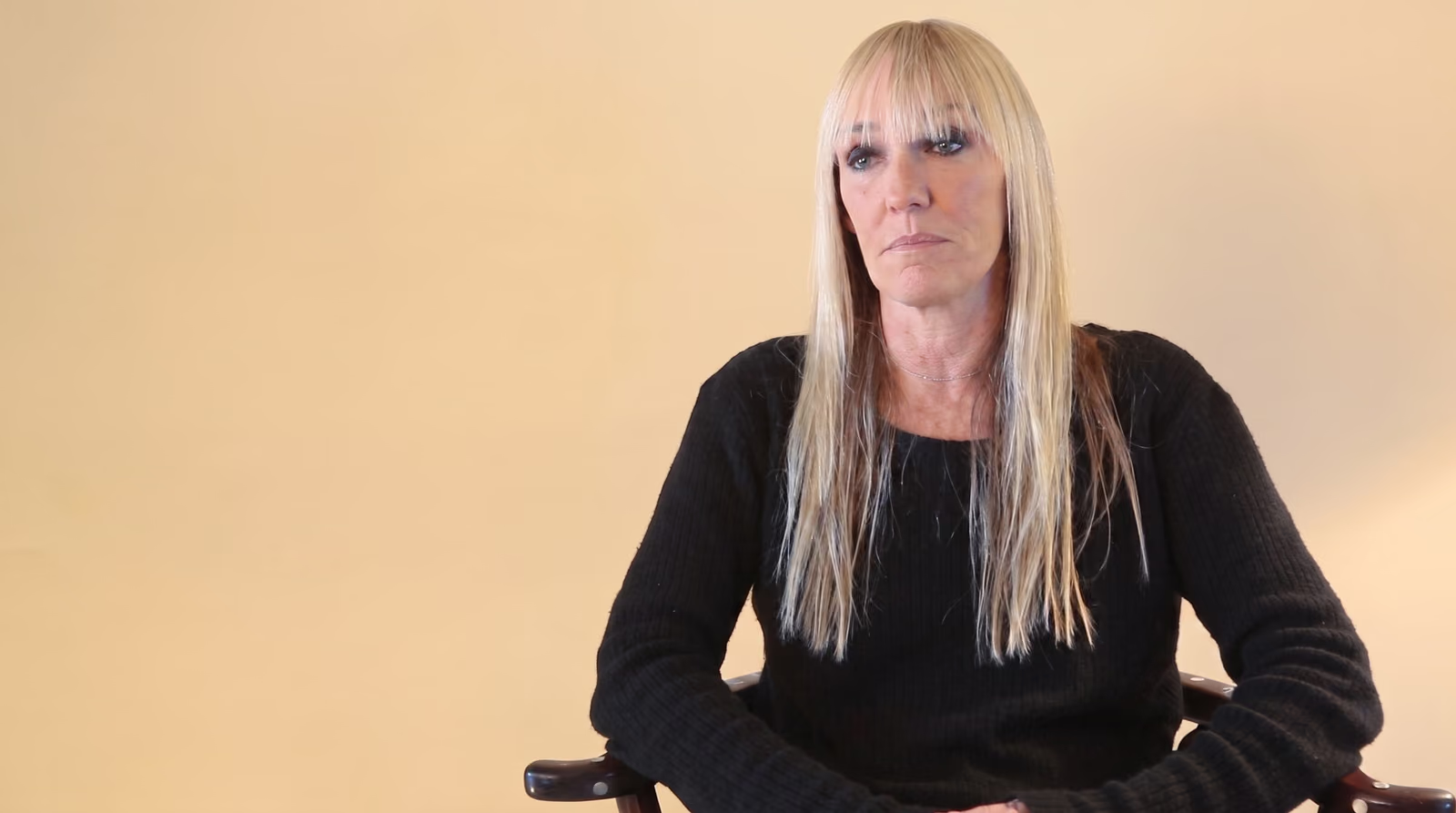
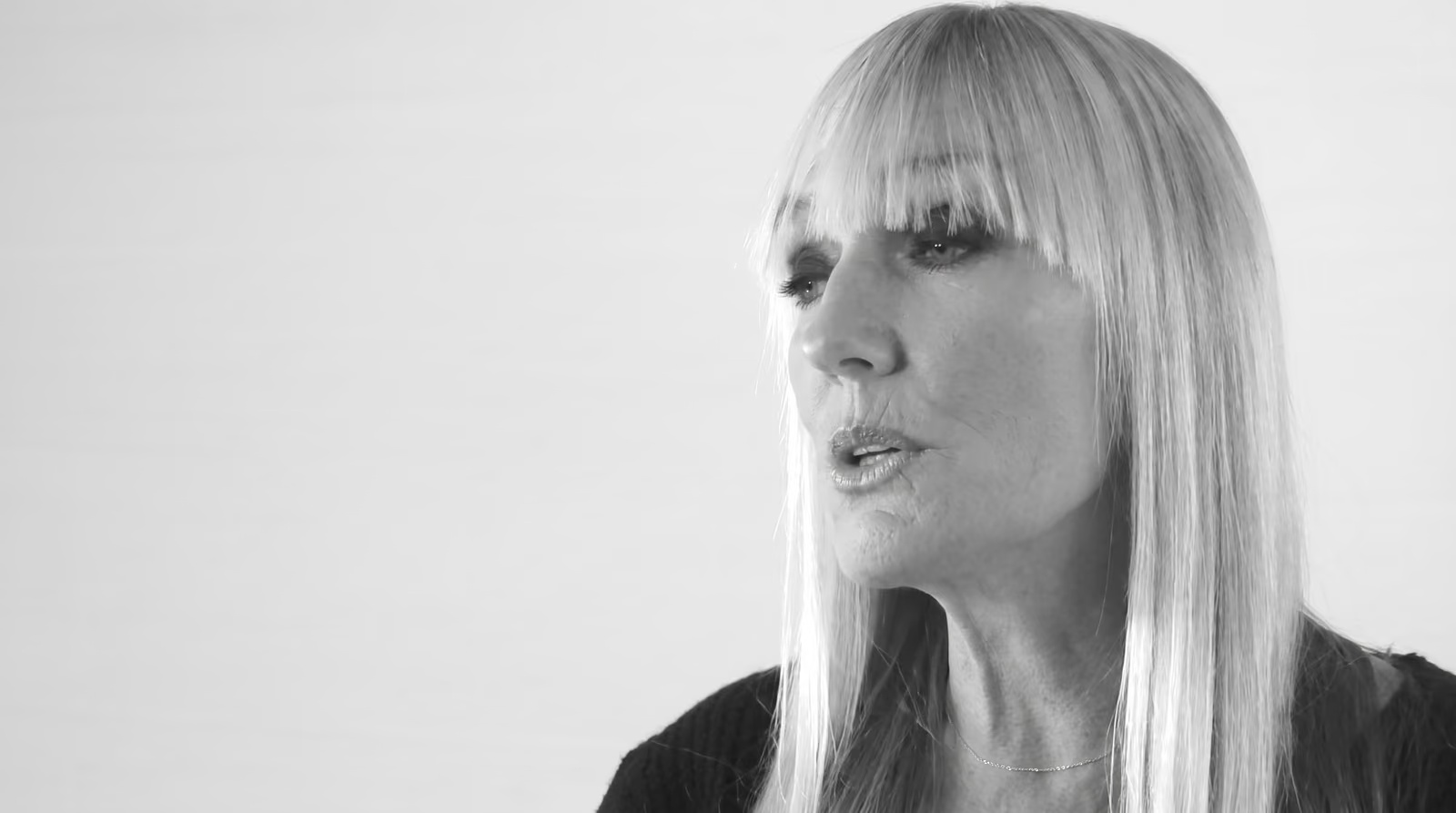
“Even though we create beautiful images and call ourselves artists, this business is still indeed a business.”
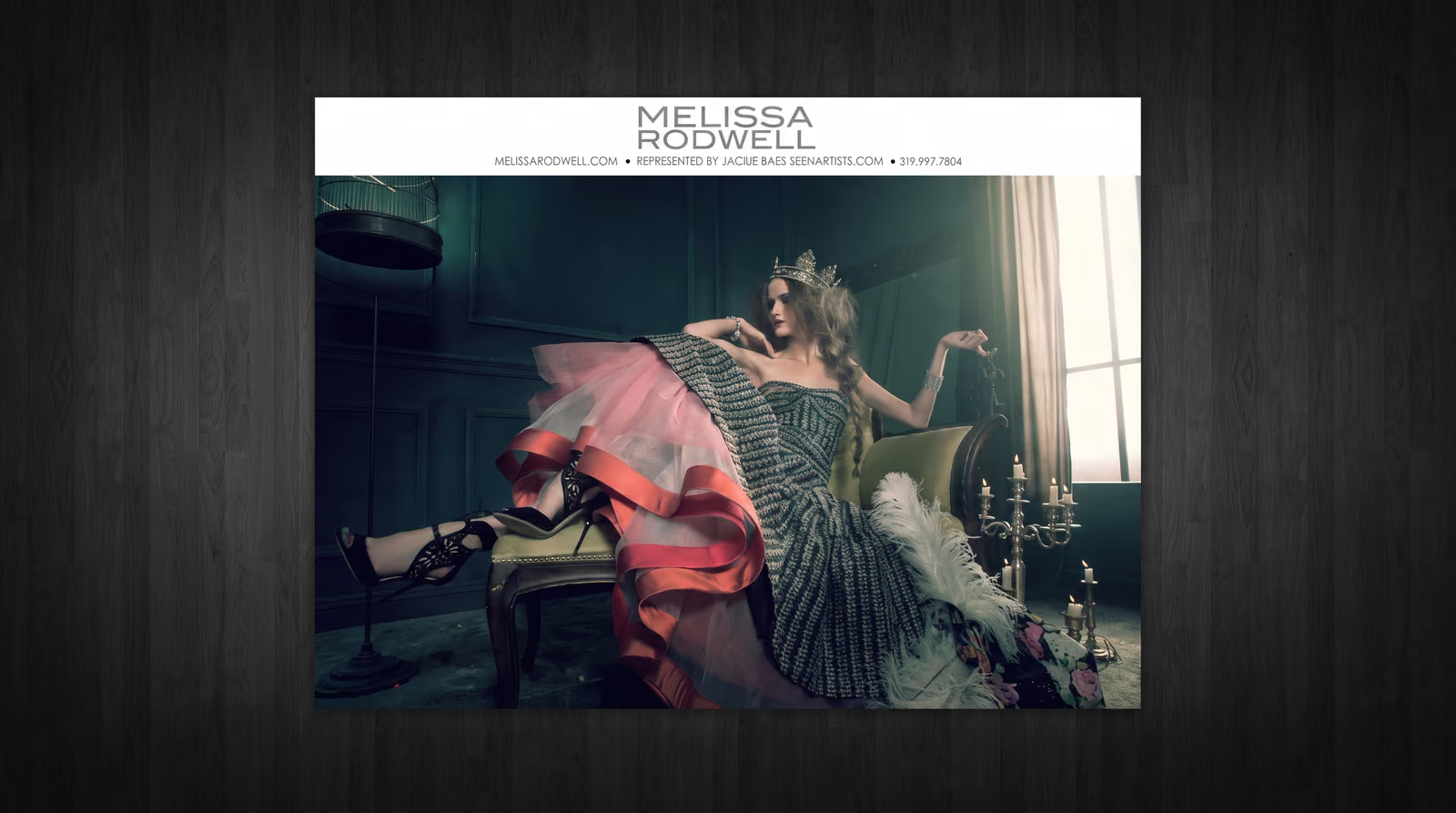
A technical commentary track, not a slideshow. She walks her own book and gives away how each frame was built: one light and a beauty dish for the shoot that started the Boys Collection, a speed light hidden in a birdcage, Tyler holding a flash behind a car window to fake headlights. Her photographs stay off this page; the knowledge is the segment.
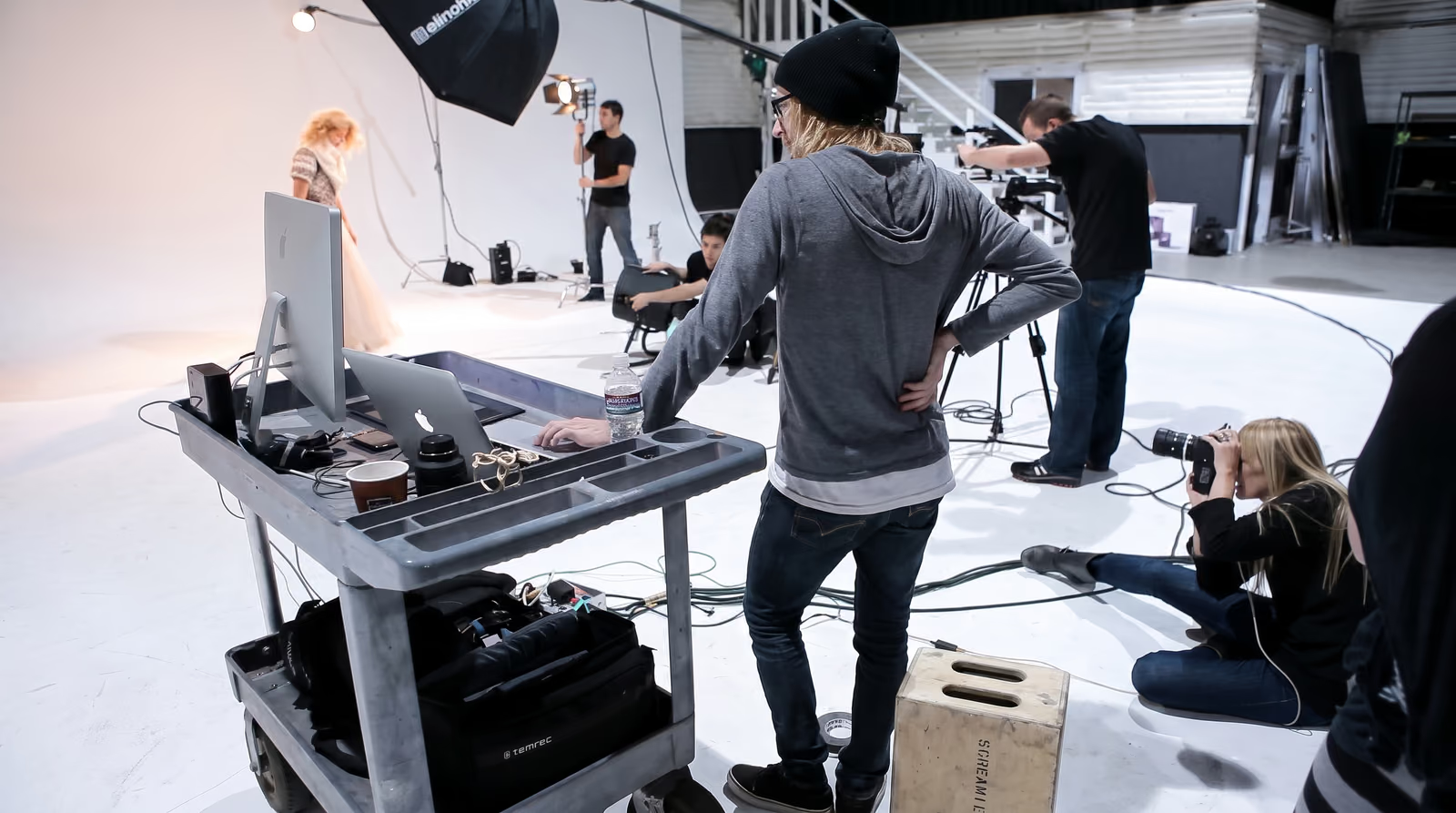
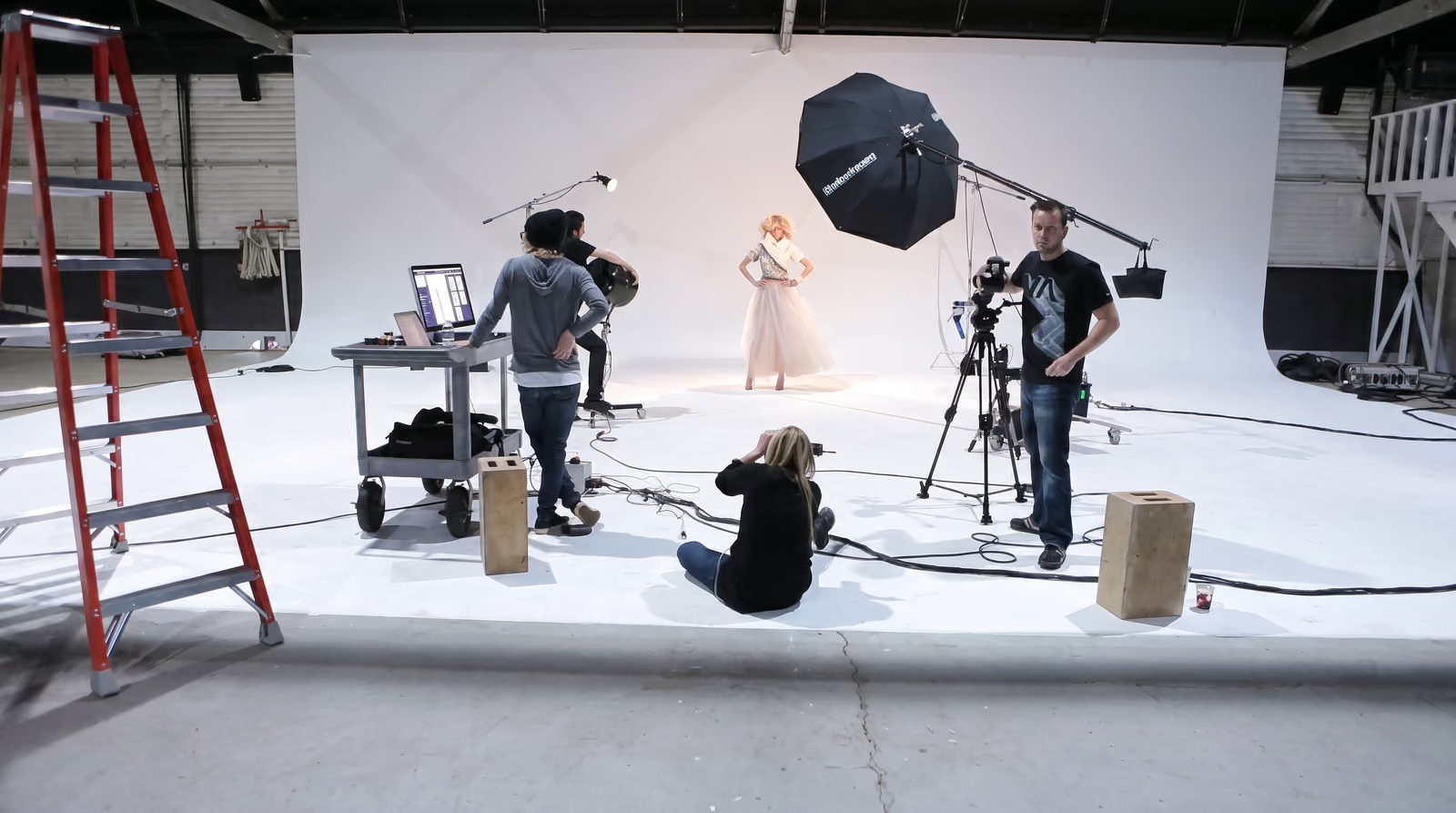
Six minutes of the original Genlux behind-the-scenes, cut to music with her voice directing over it.
A signed contract with named dependencies and a change-order process for when it grew. It grew.
Two camera operators, an HD package, a lighting package, and a script outline for every shoot day.
Three to four hours of footage cut in Final Cut Studio, rough cuts shipped on a hard drive, weekly status meetings.
Both teams testing on an actual set-top player, every functional, visual and copy bug ticketed and prioritised.
A master with menus and chapters, plus raw footage and project files handed over at the end.
The contract targeted December 2010. It launched November 2011. The scope grew, and the change-order process is why that was a decision and not a disaster.
Melissa Rodwell
Matthew Wardenaar
Evan Matthews
David Skyler
Tyler Mitchell, 1st · Michael Tessier, 2nd
Rodney Burns, Church Boutique · Stephen Kamifuji, Genlux · James Charles, Photogenics · Alex Vasquez, interviewer
Alice & Stefanie Wood & Barbora Vesela, Photogenics · Calei & Minyoung, Fenton Moon · Gwen, Major · Kim Koo, Wilhelmina
Shiffy Kagan · Donald Lawrence
Christian Bier · Damian Monzillo
Camille Clark · Belinda Zollo · Anthony Merante
Sedi Pak
Film the craft of fashion photography for a fashion photographer, across a scope that kept growing, with a two-person crew.
Run it like a production, not a favour. Signed scope, named dependencies, milestone billing, weekly status, change orders when it grew, QA on a real set-top box before mastering.
A three-hour, twelve-part feature that launched in November 2011 at $299 and became the foundation of the client’s education business.
Melissa Rodwell died in 2022 and the DVD has been out of print for years. The trailer and these frames are most of what is still reachable.