Viddy did for video what Instagram did for photos. Capture a few seconds, make it beautiful with a filter and a soundtrack, and share it.
It caught fire, celebrity users, a $370 million valuation, number one in dozens of countries, and it defined what a short mobile video could be before the category got crowded.
And then everyone showed up.
I joined at the most dangerous possible moment. In January 2013 Twitter launched Vine; that June, Instagram added video. Overnight, the thing Viddy pioneered was the thing every giant wanted. Standing still meant losing. So we did not stand still, we reinvented the product.
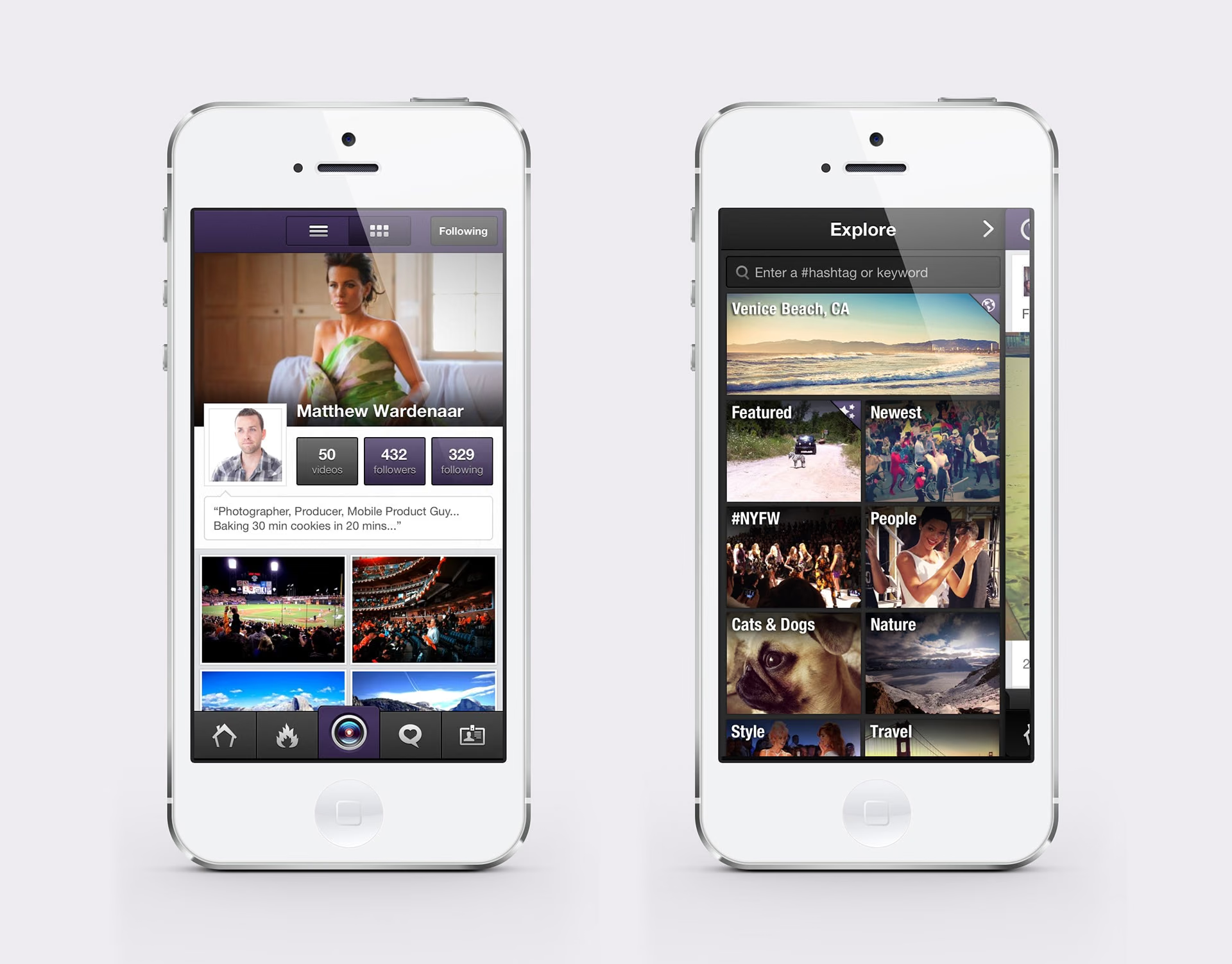
From a feed you scroll to a camera you open.
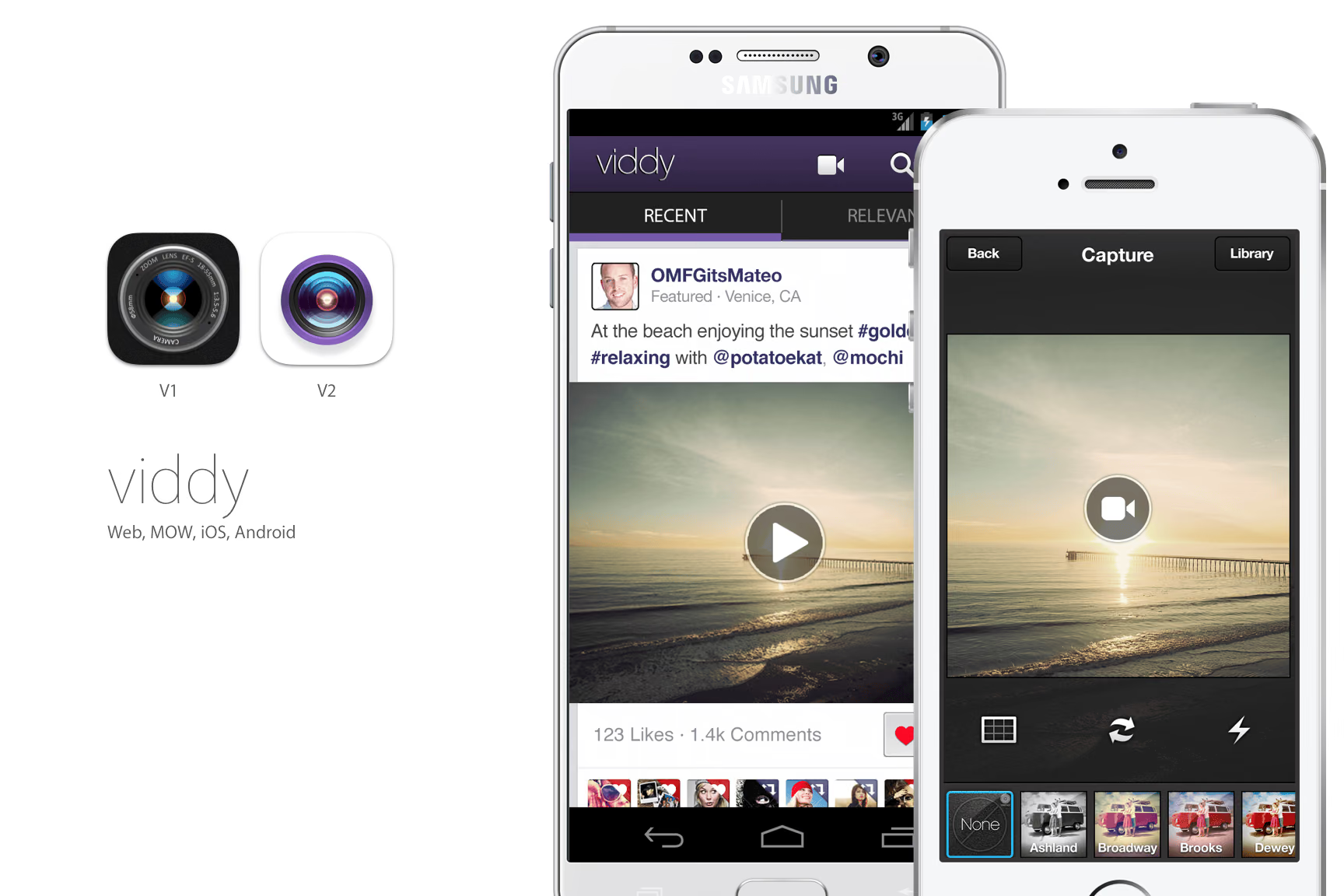
Version 1 was a feed-first app in Viddy purple, the social stream was the home. Version 2.0 flipped the whole idea: the camera became the home screen, the chrome went near-black and silent, and the video filled a clean square canvas. In a fight for creators, the fastest path from idea to shared video wins.
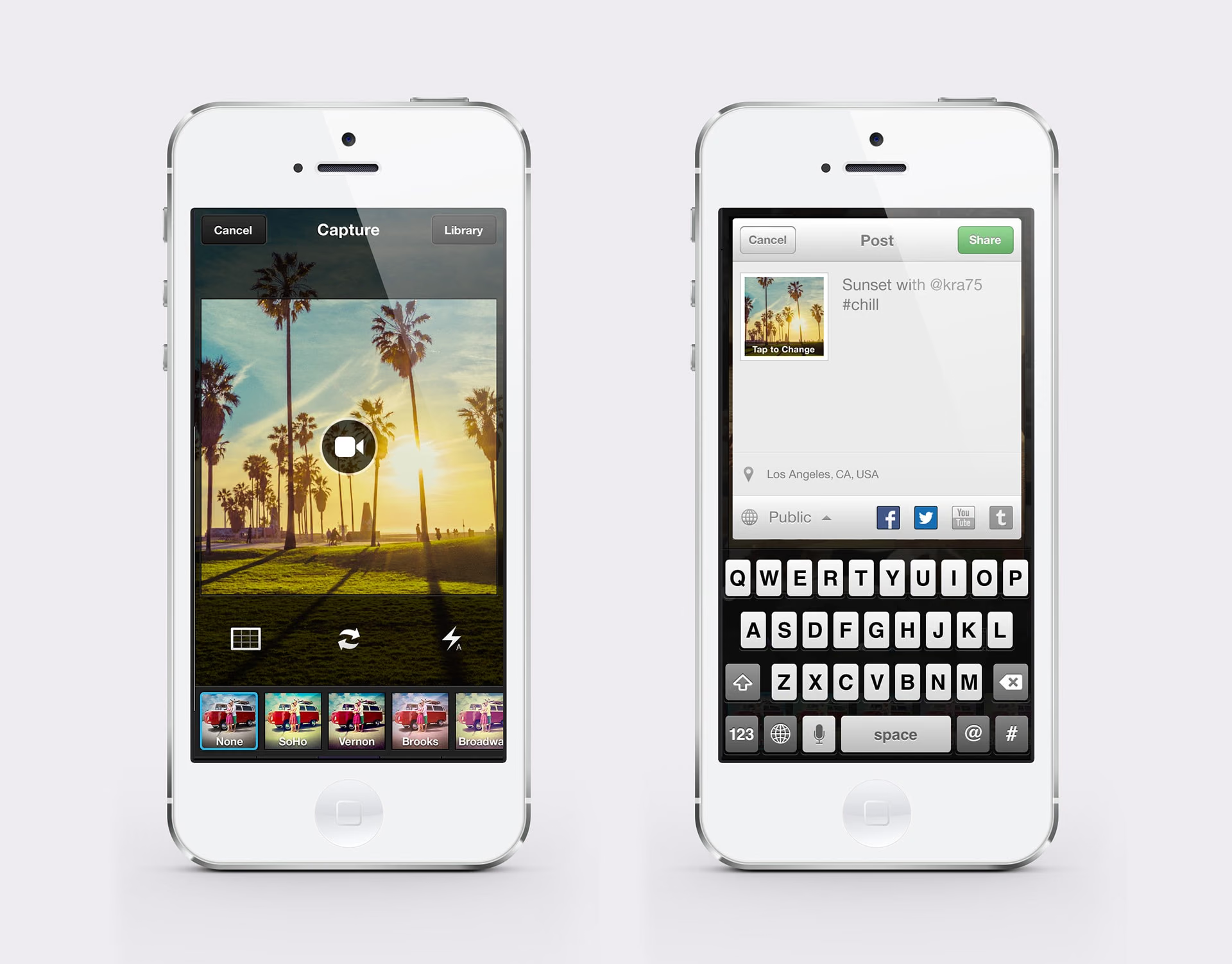
Three steps, and you’re live.
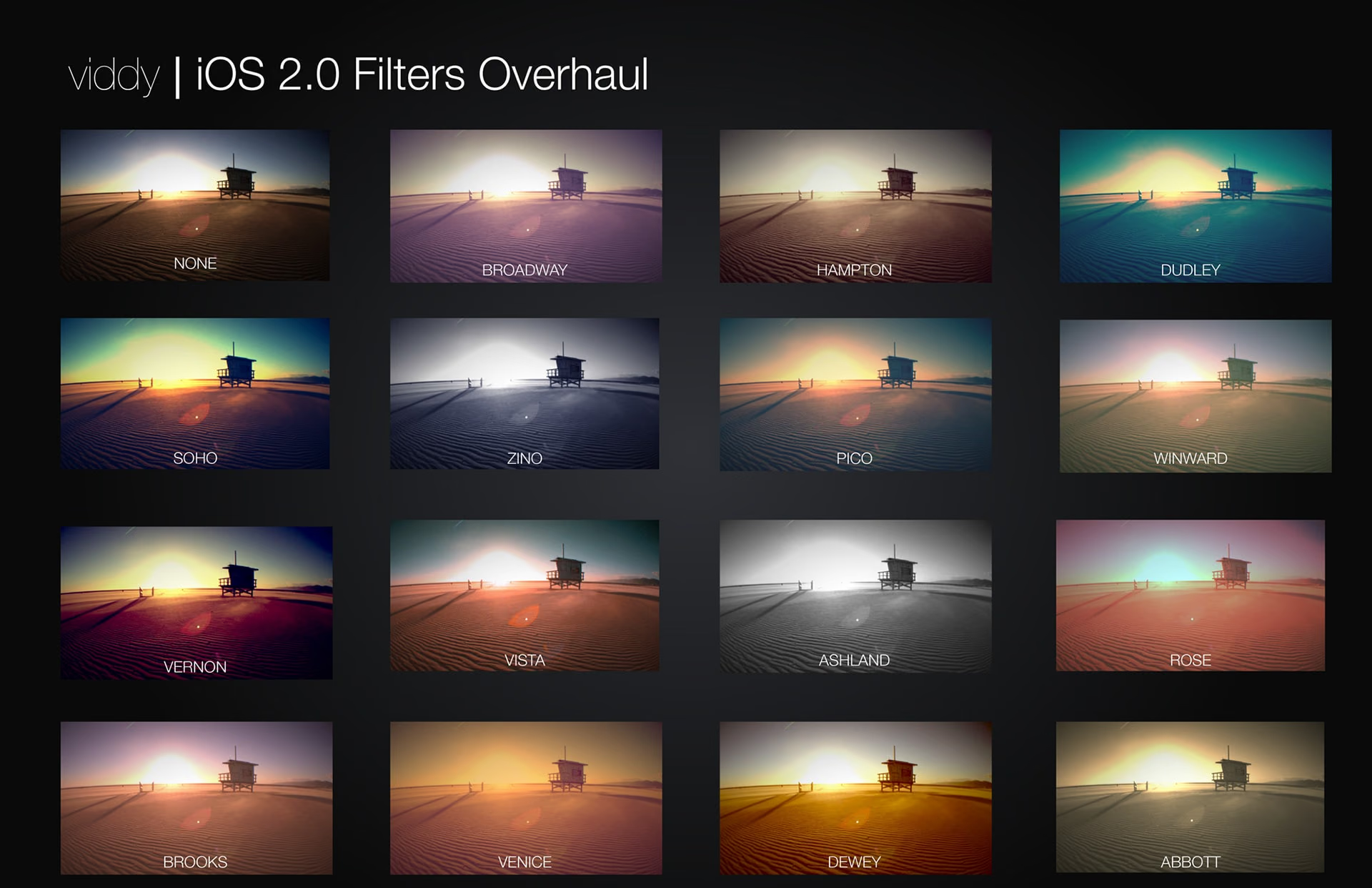
Capture a clip. Beautify it, swipe a carousel of named filters until it looks right, add music, trim it to the beat. Then one green button and it’s shared. We obsessed over that path: fewer taps, live filter previews, a beautify slider that actually made your footage look better.
Video beautification, filters, and the capture flow were where I spent the most time, because they were the product.
One video language, everywhere.
A video is only worth making if it plays everywhere. I led v2.0 across iOS and Android, including Viddy’s first real Android app, plus mobile web and a web player built to embed anywhere. We even prototyped for glanceable, wearable screens. Same capture-first language, every surface.
While we rebuilt the product we also grew it. I ran the growth work alongside the redesign: rapid prototyping, multivariate testing, filter and beautification improvements, and acquisition, the unglamorous engine that turns a good app into a big one.
We built a look the category followed.
The capture-first, dark, video-forward interface we designed for 2.0 was, in my experience, ahead of where the category was heading, and elements of that approach showed up soon after in competitors, including Vine. In a war for a new medium, the product that defines the interface has real influence, even when it does not win the war. We were designing the grammar everyone would end up speaking.
My part.
I was Head of Product Management at Viddy, leading R&D, design, and rapid prototyping for version 2.0 across iOS, Android, mobile web, and web. I owned the capture and beautify experience, the first Android app, the filter and growth work, and the reinvention of the whole product under the most competitive conditions I have worked in. Eight months at the center of the mobile-video explosion, building fast because there was no other choice.
Not every product gets to win its war. Some get to shape it, to design the thing everyone else copies, in the months when a whole new medium is being decided. Viddy 2.0 was that, and it is still one of the most exciting things I have gotten to build.